


How Long Should You Stay in a Sauna? A Complete Timing Guide
Getting sauna timing right is the difference between a powerful wellness tool and a health risk — and most people are doing it wrong in one direction or the other. Too short and you barely tap into the benefits. Too long and you push your body into a stress zone that hinders recovery rather than helping it. Here is what the science actually shows.
The Core Answer
For beginners, the safest starting duration is 5–10 minutes per round. For intermediate users, the therapeutic sweet spot is 15–20 minutes per round across 2 rounds. For experienced users and athletes, structured protocols of 2–3 rounds at 15–20 minutes with 10-minute cooling breaks maximize benefit. 20 minutes is the maximum for any single round regardless of experience level. Consistency over weeks beats any single long session.

Sauna timing is as important as temperature — the right duration unlocks real physiological benefit while staying well within safe cardiovascular limits.
Why Most People Get Sauna Timing Wrong
Go to any gym sauna and you will see two types of people: the one who runs out after five minutes, and the one who has been sitting there for 45. Neither approach is ideal. The first person barely taps into the benefits of heat therapy. The second is pushing their body into a stress zone that hinders recovery rather than supporting it.
The physiological responses that make sauna use genuinely beneficial — elevated heart rate, heat shock protein production, growth hormone release, and cardiovascular adaptation — require a minimum threshold of heat exposure to trigger. But they also operate within a ceiling. Beyond 20 minutes in a single round, the additional stress on the cardiovascular system no longer produces proportional benefit, and the risks of dehydration, dizziness, and heat exhaustion increase meaningfully.
What the Finnish Research Shows: Longitudinal studies from Finland — where sauna use is deeply embedded in culture and the research base is extensive — consistently show that the most significant cardiovascular benefits appear in people who use the sauna regularly at approximately 19 minutes per session, 4–7 times per week. The key finding is not the length of any single session, but the consistency of the habit over months and years.
Beginner Sauna Timing: Weeks 1–4
For those just starting out, the most important principle is to avoid pushing limits too quickly. Heat adaptation is a real physiological process — your cardiovascular system, sweat response, and thermoregulatory mechanisms all need time to adjust simultaneously. Rushing this process leads to headaches, fatigue, dizziness, and a negative experience with something that should feel rewarding.
First-Time Users: Start at 5 Minutes
For your first few sessions, aim for 5 minutes. This may seem brief, but the purpose of the first session is simply to acclimate your body to the heat environment — to understand how your body responds before adding intensity. Many people significantly overestimate their heat tolerance on their first attempt and end up feeling dizzy or nauseous, which creates a negative association that disrupts the habit before it forms.
Sit on the lower bench in a traditional sauna, where temperatures can be 20°F–30°F cooler than the upper bench. Over the first 2–3 weeks, gradually increase from 5 minutes to 7–8 minutes, then to 10 minutes. Build tolerance over weeks, not days.
Your First Time in a Sauna — Checklist
- Drink 16 oz of water 30–60 minutes before entering
- Start on the lower bench where temperatures are cooler
- Set a timer for 5 minutes — exit when it rings
- Exit immediately if you feel lightheaded, nauseated, or unusually uncomfortable
- Wait at least 5 minutes before considering a second round
- Drink water or an electrolyte drink after your session
- Do not enter the sauna alone on your first visit
Warning Signs That Mean It's Time to Leave
Your body communicates clearly when it has had enough — the problem is that many people treat the initial warning signs as obstacles to push through rather than signals to respect. Exit the sauna immediately if you notice any of the following:
- Dizziness or a spinning sensation
- A sudden decrease in sweating despite the room being hot
- Rapid or irregular heartbeat
- Nausea or stomach discomfort
- Tingling in your hands or feet
- Feeling cold despite the heat — known as paradoxical chilling, an early sign of heat exhaustion
If any of these occur: exit calmly, cool down, rehydrate, and rest. Do not return to the sauna until all symptoms have completely resolved.
Beginner Progression Schedule
| Week | Session Duration | Rounds Per Visit | Frequency |
|---|---|---|---|
| Week 1 | 5 minutes | 1 round | 2–3x per week |
| Week 2 | 7–8 minutes | 1–2 rounds | 2–3x per week |
| Week 3 | 10 minutes | 2 rounds | 3x per week |
| Week 4 | 10–15 minutes | 2 rounds | 3–4x per week |

The 10–20 minute range is where most peer-reviewed sauna research on cardiovascular health, stress hormone reduction, and muscle recovery has been conducted.
Intermediate Sauna Timing: The 10–20 Minute Sweet Spot
After 4–6 weeks of regular sauna use, your body has adapted enough to benefit from the 10–20 minute range — the zone where most clinical research on sauna health benefits has been conducted. At this level, the primary shift is moving from single short sessions to organized multiple rounds with intentional rest periods between them.
Think of it like interval training for your cardiovascular system. Two rounds of 15 minutes with a proper cooling break between them produces a more powerful physiological response than one continuous 30-minute session — and stays within safe cardiovascular limits for each individual round.
The Ideal Round Duration: 15 Minutes
For intermediate users, 15 minutes per round is the most effective target. This is enough time to meaningfully raise core body temperature, trigger heat shock protein production, and begin the hormonal responses that drive the recovery and cardiovascular benefits of sauna use — without pushing the cardiovascular system past the point of productive stress.
How Many Rounds Per Session?
Two rounds per session is the optimal structure for intermediate users. One round does not provide the full cumulative benefit of heat therapy. Three or more rounds per session introduces fatigue and dehydration risk that outweighs the marginal additional benefit. Two rounds with a proper 5–10 minute cooling break between them is consistently the most effective and safest protocol.
The Cooling Break Is Not Optional
The rest period between sauna rounds is not simply a pause — it is a functional part of the protocol. When you step out and allow your body to cool, your heart rate normalizes, your body rehydrates, and your parasympathetic nervous system activates. This physiological reset enhances the overall recovery effect of the next round. The most common mistake intermediate sauna users make is returning too quickly before heart rate has normalized.
Advanced Sauna Protocols for Athletes

Elite athletes use structured round-based sauna protocols — not marathon single sessions — to maximize recovery while keeping each individual exposure within safe cardiovascular limits.
As an experienced sauna user, your cardiovascular system, sweat response, and thermoregulation have all adapted through repeated exposure. This adaptation means your body can handle slightly longer and more structured sessions — but more experience does not mean unlimited time. Even elite athletes use structured, round-based protocols rather than enduring single sessions of extended duration. The goal at this level is precision: targeting specific recovery outcomes with deliberate timing.
The Full Advanced Session Protocol
Advanced / Athlete Sauna Session Structure
- Round 1: 15–20 minutes at full temperature
- Rest: 10 minutes — active cooling, full hydration
- Round 2: 15–20 minutes
- Rest: 10 minutes — active cooling, hydration
- Round 3 (optional): 10–15 minutes if energy and tolerance allow
- Total active sauna time: 40–55 minutes across the full session
Wait 10–20 Minutes After a Workout Before Entering
Many experienced athletes make the mistake of going straight from a tough training session into the sauna. Right after a workout, core temperature is already elevated, the cardiovascular system is working near capacity, and fluid levels are depleted. Adding intense sauna heat to this state can push dehydration and heart rate to unsafe levels. Waiting 10–20 minutes after training gives the body a chance to begin initial recovery before the heat of the sauna amplifies the process.
Contrast Therapy: Heat and Cold Combined
Contrast therapy — alternating between sauna heat and cold immersion — is the most advanced recovery protocol available for experienced users. The alternating vasoconstriction and vasodilation creates a powerful pumping effect in the circulatory system, accelerating metabolic waste removal and reducing muscle soreness beyond what either modality produces alone.
Contrast Therapy Sequence
- 10–15 minutes in the sauna at full temperature
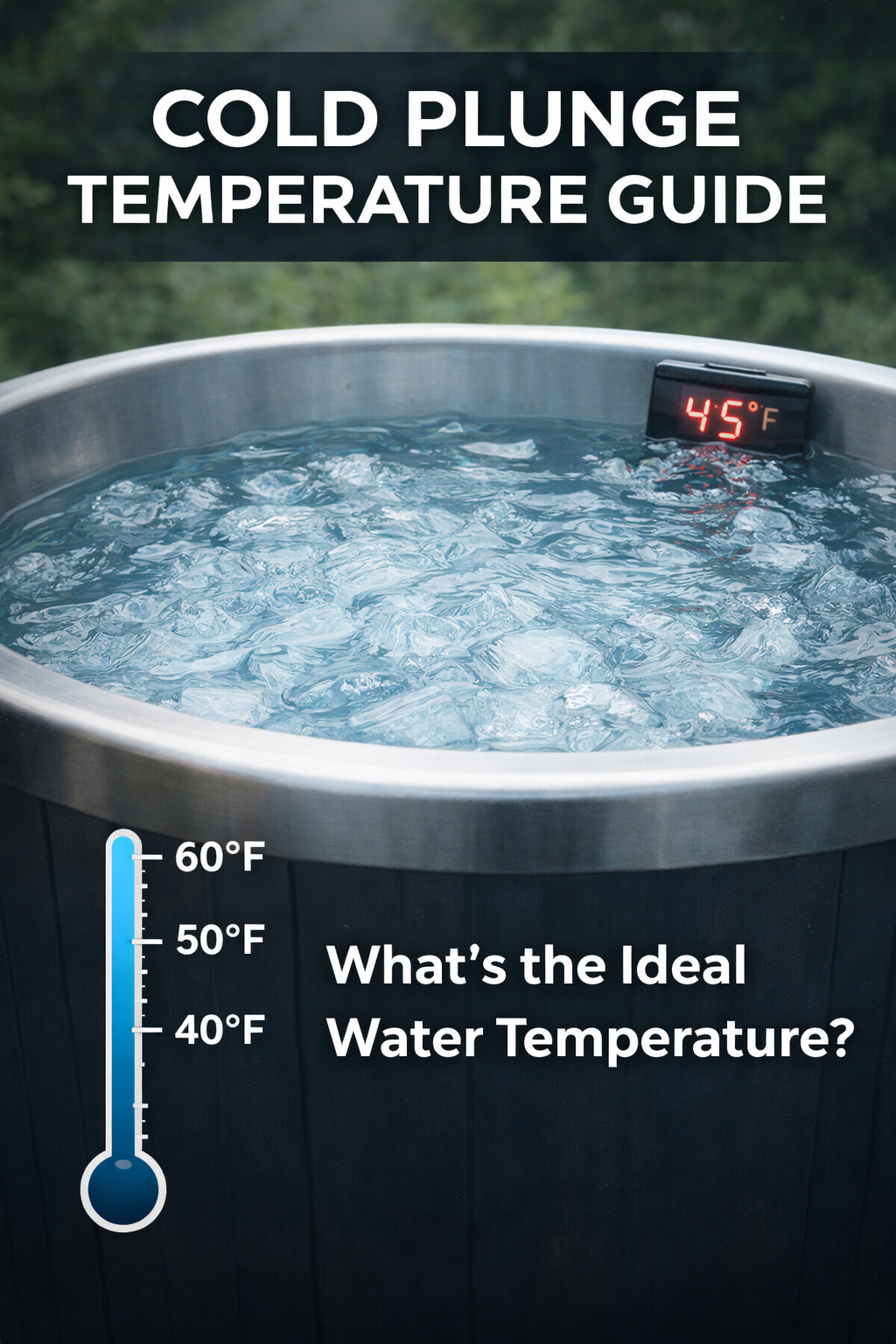
- 2–3 minutes in a cold plunge at 50°F–60°F
- Return to sauna for another 10–15 minutes
- Repeat for 2–3 full cycles
- Always finish with cold to reduce inflammation before re-entering daily activity
Important: Avoid contrast therapy in the 24 hours before a competition or intense training session. The combined heat and cold significantly calms the nervous system and reduces short-term explosive power output. Save it for rest days and post-competition recovery.
For the complete science behind cold plunge timing and temperatures, see our Cold Plunge Temperature Guide and our detailed breakdown of cold plunge before or after sauna.
How Sauna Type Affects Session Duration
The type of sauna you use directly affects how long you can and should stay inside. Temperature range, humidity level, and heat delivery method all change how quickly your body's core temperature rises — and therefore how long each round should last.
| Sauna Type | Temperature Range | Recommended Duration | Notes |
|---|---|---|---|
| Traditional Finnish | 170°F–195°F | 10–20 min per round | High heat raises core temp quickly — shorter rounds |
| Infrared | 120°F–150°F | 20–30 min per round | Lower ambient temp allows slightly longer sessions |
| Steam Room | 110°F–120°F | 10–15 min per round | 100% humidity prevents sweat evaporation — feels hotter than temperature suggests |
Factors That Change Your Ideal Duration
General guidelines are a starting point, not a prescription. Personal biology significantly affects how long you should stay in a sauna — two people with identical experience levels can have very different safe tolerance windows based on the following factors.
Age
Adults over 65 are generally less efficient at thermoregulation and more susceptible to heat stress. Sessions for older adults should be limited to 10 minutes or less per round, with a companion present and physician awareness of the practice. Younger healthy adults can typically tolerate longer sessions but should still build up gradually.
Hydration Status
Entering a sauna already dehydrated is the fastest way to shorten your session involuntarily — and the most common cause of dizziness and nausea in sauna users. Sweat is your body's primary cooling mechanism, and it is mostly water. If your fluid reserves are low when you enter, your cooling system works less efficiently and core temperature rises faster than it should.
- Drink 16–20 oz of water in the 60 minutes before your session
- Avoid alcohol for at least 4 hours before sauna use — it accelerates dehydration and impairs thermoregulation
- Bring water into the sauna and drink during rounds, not just after
- Replenish with electrolytes after — most people lose 0.5–1 liter of fluid every 15 minutes in a traditional sauna at high temperature
- If your urine is dark yellow before entering, delay the session and hydrate first
Health Conditions That Require Shorter Sessions
Conditions Requiring Modified Sauna Duration
- High blood pressure: Limit to 5–10 minutes per round, monitor blood pressure regularly
- Heart disease or arrhythmia: Require physician clearance — infrared at lower temperature may be more appropriate than traditional high-heat
- Pregnancy: Core temperature above 102°F poses risk — most health authorities advise against sauna use during pregnancy
- Multiple sclerosis: Heat sensitivity can temporarily worsen neurological symptoms — consult a neurologist
- Diabetes: Peripheral neuropathy may reduce ability to detect overheating — extra caution required
- Kidney disease: Impaired fluid and electrolyte balance increases risk during extended heat exposure
If you take beta-blockers, diuretics, or antihistamines, speak with your doctor before regular sauna use — these medications can alter how your body responds to heat.
Consistency Beats Session Length Every Time

The research on sauna benefits — cardiovascular health, stress reduction, improved sleep, and muscle recovery — is built on consistent regular use over months, not occasional long sessions.
The most persistent misconception about sauna use is that it functions like a detox — something you do occasionally for a dramatic effect. The evidence for sauna benefits across every meaningful outcome (cardiovascular health, stress reduction, sleep quality, muscle recovery) is built almost entirely on consistent, regular use over extended periods. A 10-minute session three times a week for two months produces better measurable outcomes than a single 45-minute session every few weeks across every category studied.
Think of sauna use the way you would think about exercise. The adaptation occurs between sessions, not during them. What you are doing inside the sauna is applying a controlled stress stimulus. The hormonal response, cellular repair, and cardiovascular adaptation that follow — in the hours and days after — are where the actual benefit is built. Skipping weeks between sessions resets much of that adaptive progress.
Recommended Sauna Routine by Experience Level
- Beginners (Weeks 1–4): 2–3 sessions per week • 5–10 min per round • 1 round per session
- Intermediate (Months 2–6): 3–4 sessions per week • 10–20 min per round • 2 rounds per session
- Advanced / Athletes: 4–6 sessions per week • 15–20 min per round • 2–3 rounds per session
Always include 5–10 minutes of cooling and hydration between every round, regardless of experience level.
The worst frequency is inconsistent — occasional sessions with long gaps that prevent full heat adaptation from occurring. Pick a frequency you can realistically maintain and let the compounding effect do the work over weeks and months.
Frequently Asked Questions
How long should a beginner stay in a sauna?
Beginners should aim for 5–10 minutes per round for the first 2–3 weeks. Start at 5 minutes for the first few sessions to allow your cardiovascular system, sweat response, and thermoregulation to adapt simultaneously. Gradually increase to 7–8 minutes, then 10 minutes over 3–4 weeks. One round per session is sufficient for the first week. The goal in the beginner phase is building tolerance and a consistent habit — not maximizing heat exposure.
How long should you stay in a sauna for maximum benefit?
For most people, 15–20 minutes per round across 2 rounds is the optimal structure for maximizing benefit. This is the range where the research on cardiovascular health, heat shock protein production, and recovery outcomes has been conducted. The maximum for any single round is 20 minutes regardless of experience level. Total active sauna time of 30–40 minutes across a full session — with proper cooling breaks between rounds — produces the most consistent results.
How long should you stay in an infrared sauna vs a traditional sauna?
Infrared saunas operate at 120°F–150°F versus the 170°F–195°F of traditional Finnish saunas. The lower ambient temperature means the cardiovascular stress per minute is lower, allowing intermediate users to stay 20–30 minutes per round versus the 10–20 minute standard in traditional saunas. However, infrared saunas are not risk-free at any duration — the same exit signals apply. Beginners should still start at 10–15 minutes in an infrared sauna regardless of the lower temperature.
How many times a week should you use a sauna?
Three to four sessions per week is the optimal frequency for most people seeking cardiovascular, recovery, and stress-reduction benefits. Finnish longitudinal studies show significant results at this frequency. Daily use is well-tolerated by experienced users without adverse effects, but for most people 3–4 well-planned sessions per week achieves the desired outcomes without requiring a daily commitment. The worst frequency is inconsistent — occasional sessions with long gaps prevent the adaptive process from building.
Is it better to use a sauna before or after a workout?
After a workout is generally more effective and safer. Post-workout muscles are primed for the heat-driven recovery response — improved circulation, faster nutrient delivery, and the hormonal environment that heat exposure amplifies. Wait 10–20 minutes after training before entering the sauna, and limit the first post-workout round to 15 minutes while your cardiovascular system is still elevated. Pre-workout sauna use is not without benefit for warming muscles, but a full session before training increases dehydration and injury risk.
What happens if you stay in a sauna too long?
Overstaying in a sauna causes progressive physiological stress. Initial signs include excessive sweating, elevated heart rate, and lightheadedness. As exposure continues, your body's cooling system becomes less effective — a sudden decrease in sweating despite the heat is a serious warning sign. Extended overstay can lead to heat exhaustion, characterized by nausea, disorientation, and loss of coordination. In severe cases, heat stroke — a medical emergency — can occur. The 20-minute maximum per round exists specifically to prevent this progression.
How much water should you drink before and after a sauna?
Drink 16–20 oz of water in the 60 minutes before your session. Bring water into the sauna and sip during rounds rather than waiting until after. Post-session, most people lose 0.5–1 liter of fluid every 15 minutes in a traditional sauna at high temperature — replace this with water or an electrolyte drink over the 30–60 minutes after your session. A practical guide: weigh yourself before and after — for every pound of body weight lost, drink approximately 16 oz to fully rehydrate. Dark yellow urine before a session means delay and hydrate first.
Find Your Perfect Home Sauna at Collective Relaxation
The consistent nightly or weekly sauna practice that compounds into real health benefits is only possible with the right setup at home. Contact us to find the right model for your space and routine.
📞 929-493-4366 | 📧 Jerry@CollectiveRelaxation.com | Mon–Fri 9am–5pm EST
Written by Jerry Vaiana — About Jerry


Leave a comment
This site is protected by hCaptcha and the hCaptcha Privacy Policy and Terms of Service apply.