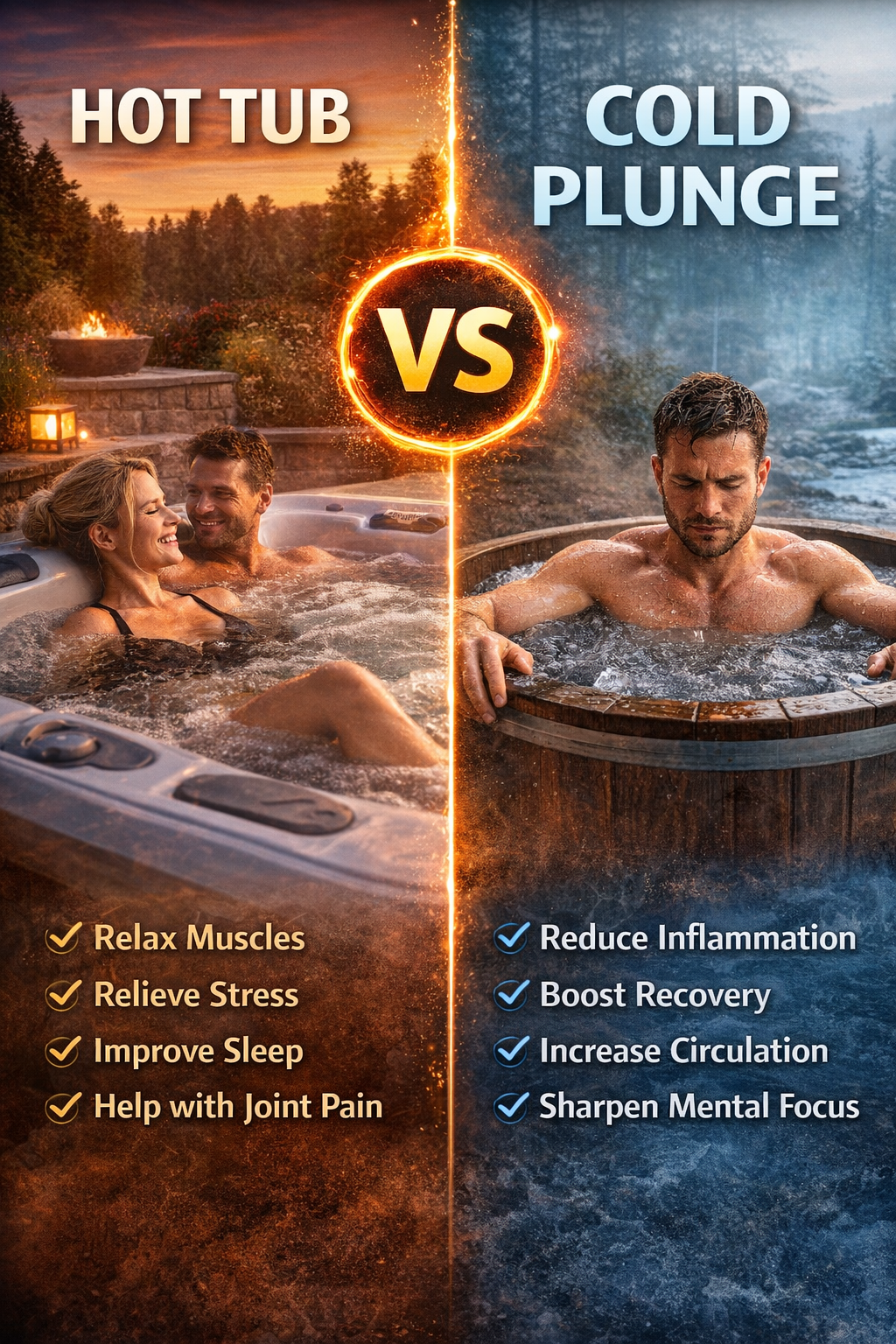
Hot Tub vs Cold Plunge: Which Is Better for Recovery and Wellness?
Expert Recovery Q&A
Question: Should I use a Hot Tub or a Cold Plunge for muscle recovery and soreness?
Answer: The choice depends on your timing. A Hot Tub is ideal for chronic stiffness and general relaxation by increasing blood flow. A Cold Plunge is superior for acute recovery immediately after exercise; it triggers vasoconstriction to pump out lactic acid and shut down the inflammatory response. For the ultimate 2026 wellness routine, Contrast Therapy—alternating between both—is recommended to create a "vascular pump" that maximizes healing and nutrient delivery.
- Hot tubs use heat to relax muscles, improve circulation, and reduce stress hormones — while cold plunges use cold exposure to cut inflammation, spike dopamine, and accelerate recovery.
- Neither is universally better — the right choice depends on your goal, your timing, and where you are in your training or recovery cycle.
- Contrast therapy — alternating between hot and cold — may deliver compounding benefits that neither method achieves alone, and the protocol matters more than most people realize.
- Cold plunges trigger a dopamine surge that can last hours after the session ends, making them one of the most underrated mood and focus tools available.
- There is a specific window after exercise where choosing the wrong therapy can actually slow your progress — keep reading to find out when.
Hot tub or cold plunge — most people pick one and never look back, but the science suggests that might be leaving serious recovery gains on the table.
For hundreds of years, both of these hydrotherapy methods have been utilized, from Roman bathhouses to Scandinavian ice plunge traditions. They are now being used in athlete recovery centers, high-performance gyms, and increasingly, private homes. The wellness industry has finally acknowledged what cultures around the world have known for generations: water temperature is one of the most powerful tools for managing how your body feels and performs. Brands like Collective Relaxation have helped to bring this conversation to the mainstream by making it easier for the average person to understand and access these recovery modalities at home.
Grasping the true distinction between these two methods, and not just the basic "one is hot, one is cold" explanation, is what will assist you will assist you in making more informed choices about your wellness routine.

Hot Tub vs Cold Plunge: The True Distinction
Essentially, a hot tub employs warm water (generally ranging from 100°F to 104°F) to elevate your core body temperature, widen your blood vessels, and stimulate relaxation throughout the body. On the other hand, a cold plunge uses water temperatures between 39°F and 59°F to achieve the opposite effect — it narrows blood vessels, initiates a stress response, and pushes the body into a state of sharp physiological adjustment.
These are not simply different versions of the same thing. They activate completely different systems in your body and have very different results. One of the biggest mistakes people make when setting up their home wellness routine is to treat them as if they were the same.
How Your Body Reacts to a Hot Tub
As soon as you immerse yourself in a hot tub, your body starts to respond. The blood vessels close to the surface of your skin dilate, a process referred to as vasodilation, which boosts blood circulation and slightly lowers your blood pressure. The heat penetrates deep into your muscles, causing them to relax, and your nervous system enters a state of rest and digest, also known as the parasympathetic state.
High-end hot tubs have hydrotherapy jets that give a mechanical massage. The heat and targeted water pressure work together to break down myofascial adhesions, which are tight, knotted areas in muscle tissue that foam rollers and stretching often can't fully address. For the body to fully respond to the heat stimulus, sessions should last 15 to 30 minutes.
Hot Tub Temperature Guide
Temperature Range Effect on the Body Best Used For 98°F – 100°F Mild vasodilation, gentle relaxation Daily use, sensitive users 100°F – 102°F Moderate muscle relaxation, improved circulation Post-workout recovery, stress relief 102°F – 104°F Deep tissue warmth, significant parasympathetic activation Pre-sleep, joint mobility, deep recovery
What a Cold Plunge Actually Does to Your Body
Cold plunge therapy works through a mechanism called vasoconstriction — your blood vessels tighten rapidly in response to cold, redirecting blood away from the extremities and toward your vital organs. When you exit the cold water, vasodilation kicks in and blood rushes back through your system, carrying fresh oxygen and nutrients to muscles and tissues.
In addition to the vascular response, cold exposure causes the body to release norepinephrine, a neurotransmitter and hormone that is heavily involved in focus, alertness, and mood. Studies have found that just a single two to three minute dip in cold water can cause a significant increase in norepinephrine levels, and these effects can last for several hours after the plunge. For more information on optimizing your cold exposure, check out this cold plunge temperature guide.
The mental aspect is just as significant. The conscious decision to submerge yourself in cold water and remain composed is a kind of stress inoculation - it's like training your nervous system to stay calm in uncomfortable situations. This mental adjustment is one of the reasons why those who regularly take cold plunges often report increased concentration and emotional resilience over time.
Why They Work Better Together Than Apart
Hot tubs and cold plunges, when used one after the other, create what is known as a "vascular workout." The expansion and contraction of blood vessels caused by the alternating hot and cold temperatures function like a pump, pushing metabolic waste out of the muscles and drawing in fresh, oxygenated blood. This is the basis of contrast therapy, and it's far more effective than using either method on its own.

Why You Should Brave the Cold Plunge
Jumping into a cold plunge is a shock to the system, but that's exactly the point. The real benefits kick in after you've endured those first few seconds of discomfort.
Plunging into cold water triggers a series of physical reactions that aid in recovery, boost mental performance, and build resilience over time. For more information, check out this cold plunge temperature guide to understand how different temperatures can impact your recovery process.
Speeding Up Muscle Recovery Post-Workout
After a vigorous workout, immersing yourself in cold water can help get rid of the metabolic waste that builds up in your muscles. A cold plunge constricts your blood vessels and reduces inflammation in specific areas, which can significantly reduce delayed onset muscle soreness (DOMS) — the stiffness and pain that peaks 24 to 48 hours after a workout.
Boosting Dopamine and Mental Clarity
Exposure to cold is one of the most effective natural ways to boost dopamine levels without using any substances. Unlike the quick spike that caffeine or sugar provides, the dopamine surge from cold immersion builds up slowly and lasts for several hours. This results in better concentration, improved mood, and a state of calm alertness.
Lessening Inflammation and Swelling
Cold water immersion can help control this response by making blood vessels narrower and slowing down the inflammatory signaling cascade. Joint-related pain is a good example. Athletes with swollen knees, inflamed tendons, or repetitive stress injuries often find that regular cold plunge use helps manage symptoms without the side effects of anti-inflammatory medications.
However, it's important to note that if you plunge into cold water right after strength training, you may dull some of the muscle protein synthesis signals that stimulate hypertrophy. So if your main goal is to build muscle mass, it's crucial to time your cold plunge session just right.
Boosting Your Immune System
Exposing yourself to cold temperatures on a regular basis could help improve your immune system. Some studies indicate that regularly immersing yourself in cold water could increase the activity of certain cells in your immune system and make your body more resistant to common diseases.
Why Hot Tubs Are More Than Just a Luxury Item
What You Can Get From a Hot Tub
Benefit How It Works How Long You Need Relief from muscle tension Vasodilation + hydrotherapy jets 15–20 minutes Better sleep Drop in core body temperature after soaking 20–30 minutes, 1–2 hrs before bed Lower stress hormones Activates parasympathetic nervous system At least 15 minutes Improved joint mobility Heat reduces synovial fluid viscosity 15–20 minutes Supports cardiovascular health Increases heart rate, improves circulation 20–30 minutes
People often think of hot tubs as something you splurge on for your backyard, not something that actually helps you stay healthy. But if you use a hot tub the right way, it can do a lot more than just help you relax. Regular hot tub sessions can help your heart health by simulating some of the same effects as moderate exercise — it gets your heart rate up and helps your blood flow, but doesn't put stress on your joints.
Relief for Deep Muscles and Joint Mobility
Heat decreases the thickness of synovial fluid — the lubricating fluid inside your joints — making movement feel less painful and easier. When combined with the targeted pressure of hydrotherapy jets, a well-designed hot tub session can address both superficial muscle tightness and deeper joint stiffness in ways that passive stretching alone cannot replicate.
If you're dealing with issues such as lower back discomfort, hip stiffness, or shoulder strain from sitting at a desk or repetitive movement, regular use of a hot tub can significantly improve your range of motion over time. Additionally, exploring other therapeutic options like infrared sauna chromotherapy can further enhance your recovery and wellness routine.
Improves Sleep Quality When Used Before Bed
One of the most consistent and well-documented benefits of using a hot tub is the improvement of sleep quality. If you soak in a hot tub 60 to 90 minutes before going to bed, your core body temperature will rise. Once you get out, it will drop rapidly. This rapid decline in core temperature mimics the natural thermal drop that your body initiates when preparing for deep sleep.
Lowering Stress Hormones
Submerging yourself in hot water triggers your parasympathetic nervous system. When this system is activated, cortisol levels decrease and the body starts to physically relax. Regularly using a hot tub can assist people who are constantly stressed in breaking the cycle of high cortisol levels that interfere with sleep, digestion, and immune function.

Hot Tub or Cold Plunge: A Direct Comparison
| Category | Cold Plunge | Hot Tub |
|---|---|---|
| Water Temperature | 39°F – 59°F | 100°F – 104°F |
| Session Length | 2 – 5 minutes | 15 – 30 minutes |
| Primary Effect | Vasoconstriction | Vasodilation |
| Best For | Acute recovery, focus | Stress relief, sleep |
| Dopamine Response | High and sustained | Moderate |
| Best Time to Use | Morning or post-workout | Evening or pre-sleep |
Deciding Between a Cold Plunge and a Hot Tub
Recovery is all about timing. If you use the right tool at the wrong time, you can actually limit the benefits you're trying to achieve. For strength athletes, wait at least two hours after resistance training before a cold plunge to avoid dulling muscle growth signals. Hot tubs work best in the evening for recovery and getting ready for bed, or before physical activity to help warm up stiff joints.

Contrast Therapy: How to Maximize Recovery
Contrast therapy is the secret weapon of top athletes. By alternating between hot and cold exposure, you create a pumping effect in your cardiovascular system. Here is a typical at-home contrast therapy session:
- Hot tub — 10 to 15 minutes at 102°F to 104°F to fully dilate blood vessels.
- Cold plunge — 2 to 3 minutes at 50°F to 59°F, with a focus on controlled breathing.
- Hot tub — 10 minutes to reheat and continue the blood vessel cycling.
- Cold plunge — 1 to 2 minutes final cold finish for maximum neurochemical benefits.
- Rest — 10 minutes allowing the body to return to normal.
Creating the Perfect Home Wellness Space
1. The Hot Tub: Your Personal Heat Zone
Search for models that feature adjustable directional jets. Place your hot tub in a location that is close to your cold plunge to minimize the time spent walking between the two, which maintains the contrast stimulus.
2. Cold Plunge Tub for Recovery
Aim for a tub that can keep the water between 39°F and 55°F consistently. If you’re planning to cold plunge every day, active refrigeration is worth the extra cost — it removes the hassle of ice prep.
3. Sauna for Deep Heat Therapy
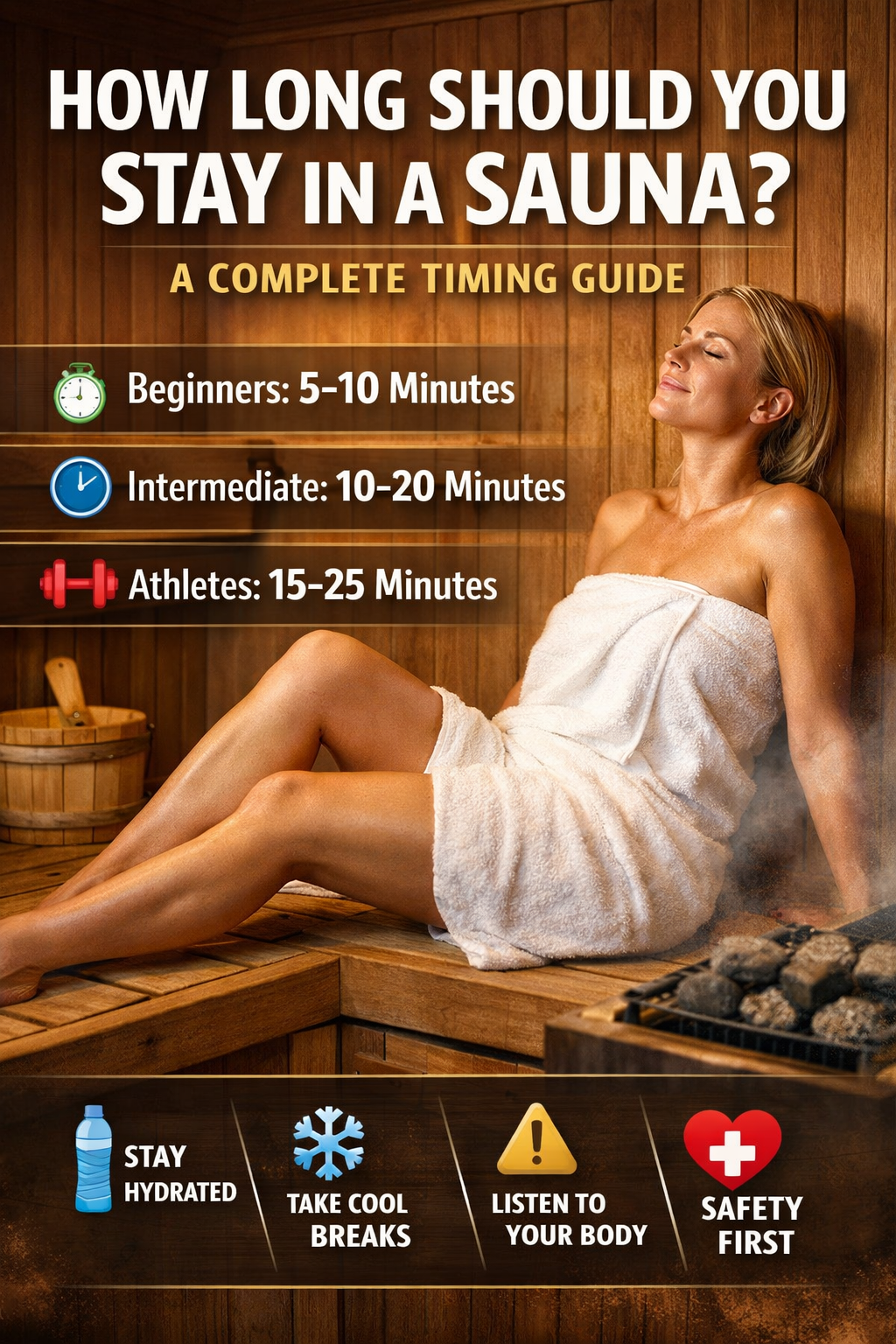
Possessing a sauna and a hot tub provides real versatility — the sauna for high-intensity heat and maximum contrast, the hot tub for muscle work that a sauna can't duplicate.
4. Red Light Therapy and Massage Chairs
Red light therapy adds a passive but meaningful layer of cellular support. A professional massage chair is the cherry on top, helping to release lingering tension and further decrease cortisol after a contrast session.
AMPLIFY YOUR PRESENCE.
You've seen the data. Now, own the results. We turn your brand into a High-Authority Technical Asset by engineering 8-format digital dominance across 300+ platforms.
Stop being invisible to 93% of your market.
SECURE YOUR AMP PROTOCOL — $799/moCommon Technical Questions
Q: How long should you stay in a cold plunge?
A: For most people, two to four minutes is the optimal duration to trigger vasoconstriction and dopamine release without crossing into hypothermia risk.
Q: Can you safely use a hot tub every day?
A: Yes — daily use is safe for healthy adults if you maintain 100°F–104°F, limit sessions to 30 minutes, and stay properly hydrated.
Q: Which is better for aching muscles?
A: Use a cold plunge for acute soreness (0–24 hours) to reduce swelling. Use a hot tub for chronic muscle tightness and joint mobility.
Remember to visit CollectiveRelaxation.com for all your wellness needs.
Written by Jerry Vaiana — About Jerry

Leave a comment
This site is protected by hCaptcha and the hCaptcha Privacy Policy and Terms of Service apply.