What Are the Risks of Cold Plunge Therapy?
Cold plunge therapy is safe for most healthy individuals when done correctly — but it can be genuinely dangerous for people with certain conditions or when practiced improperly. This guide covers every significant risk honestly, who should avoid cold plunging entirely, and how to practice safely if you decide to proceed. We believe informed practitioners are safe practitioners.
⚠️ Important Disclaimer
Cold plunge therapy involves significant physiological stress. Always consult your physician before starting if you have any cardiovascular conditions, hypertension, pregnancy, seizure disorders, Raynaud's disease, or diabetes with peripheral neuropathy. Never cold plunge alone, especially as a beginner.

Cold plunge therapy produces powerful physiological responses — understanding the risks is as important as understanding the benefits.
The Reality: Cold Plunging Is a Major Physiological Stressor
The wellness media conversation around cold plunging has focused heavily on the benefits — and the benefits are real and well-documented. But immersing yourself in cold water is a significant shock to your system that not everyone's body can handle safely. The physiological responses that produce the therapeutic benefits — the cardiovascular stimulus, the hormonal cascade, the nervous system activation — are the same responses that create risk when they occur in the wrong body at the wrong temperature for the wrong duration.
What is alarming is how many beginners start cold plunging based on social media content without understanding correct technique or identifying their personal risk factors. This guide covers both sides of the equation so you can make an informed decision.
The Four Primary Physical Risks
1. The Cold Shock Response — Immediate Risk (First 30–180 Seconds)
The most immediately dangerous risk of cold plunging occurs in the first 30 seconds to 3 minutes of cold water immersion. The cold shock response triggers involuntary gasping, hyperventilation, a sharp spike in heart rate, and a sudden increase in blood pressure — all simultaneously and involuntarily. You cannot consciously suppress these responses through willpower, especially as a beginner.
The drowning risk from the cold shock response is real and underappreciated: if your face is at or near the water surface when the gasping reflex activates, you can inhale water. This is why diving headfirst into cold water is always dangerous, and why beginners should never cold plunge in isolation — a person affected by the cold shock response may not be able to recognize their own impairment or call for help.
🚨 Cold Shock Response Warning Signs
- Involuntary gasping immediately upon entry
- Rapid, uncontrolled breathing (hyperventilation)
- Feeling of panic or inability to calm down
- Sharp chest discomfort
- Sudden dizziness or lightheadedness
2. Hypothermia — Risk After Extended Exposure
Hypothermia occurs when core body temperature drops below 95°F (35°C). The insidious danger of hypothermia is that one of its early symptoms is impaired judgment — meaning you may feel fine and decide to stay in longer, precisely when you should be exiting. Cold water conducts heat away from your body approximately 25 times faster than cold air at the same temperature, which is why even 60°F water can cause hypothermia in extended exposures.
⚠️ Hypothermia Warning Signs — Exit Immediately
- Shivering that cannot be controlled
- Memory loss or confusion
- Slurred speech
- Feeling unusually drowsy or calm (danger sign, not comfort)
- Weak or irregular pulse
- Loss of coordination or stumbling
3. Cardiovascular Risks — Heart Arrhythmias and Blood Pressure
Cold water immersion causes an almost instantaneous cardiovascular response: systolic blood pressure can spike by 40–60 mmHg within seconds of entry. This rapid pressure increase puts significant strain on arterial walls and can be particularly dangerous for anyone with hypertension, atherosclerosis, or fragile blood vessels.
Beyond blood pressure, cold immersion can trigger dangerous heart rhythm abnormalities — including atrial fibrillation, tachycardia, and other arrhythmias — even in individuals who are generally healthy. For those with pre-existing cardiovascular conditions, the additional strain of the cold shock response can trigger a cardiac event. These are not theoretical risks — they are documented in emergency room data globally as cold water swimming and cold plunge therapy have grown in popularity.
4. Frostbite and Tissue Damage — Sub-50°F Risk
When water temperatures approach freezing, direct tissue damage becomes a risk. Frostbite occurs when skin and underlying tissue freeze — and the numbness that cold water produces can mask the pain signals that would normally warn you of impending damage. Fingers, toes, ears, and the nose are at highest risk. Properly calibrated cold plunge systems that maintain temperature at 45–55°F eliminate most frostbite risk, but improvised ice bath setups with uncontrolled temperatures can reach dangerous levels.
Who Should Not Cold Plunge Without Medical Clearance

Cold plunge therapy is not appropriate for everyone — certain conditions make the cardiovascular and physiological stress of cold immersion genuinely dangerous.
| Condition | Risk Level | Why It's Dangerous | Recommendation |
|---|---|---|---|
| Heart conditions (CAD, arrhythmia, heart failure, prior heart attack) | 🔴 High | Cold shock can trigger cardiac events and dangerous arrhythmias | Do not cold plunge without explicit physician clearance |
| Uncontrolled hypertension | 🔴 High | 40–60 mmHg BP spike can reach stroke-risk levels | Requires physician clearance and controlled BP before starting |
| Pregnancy | 🔴 High | Cold-induced vasoconstriction can reduce blood flow to placenta | Avoid extreme temperature therapy during pregnancy |
| Raynaud's disease | 🔴 High | Severe vasospasm risk — potential for serious tissue damage | Generally contraindicated — consult specialist |
| Seizure disorders | 🔴 High | Cold shock can potentially trigger seizure — drowning risk | Do not cold plunge without medical clearance and supervision |
| Diabetes with peripheral neuropathy | 🟠 Moderate-High | Reduced sensation masks tissue damage signals | Consult physician — careful temperature monitoring required |
| Atherosclerosis | 🟠 Moderate-High | Arterial pressure spike strains already-narrowed vessels | Medical clearance required |
| Hormone replacement therapy / certain medications | 🟡 Moderate | Some medications affect cardiovascular cold response | Discuss with prescribing physician before starting |
Risks From Incorrect Practice
The majority of cold plunge injuries and adverse events are caused by preventable errors in technique — not by the practice itself. Understanding these common mistakes is essential before your first session.
Wrong Temperature
Water below 50°F (10°C) significantly increases cardiovascular stress and hypothermia risk without proportionally increasing therapeutic benefit. The therapeutic sweet spot — where benefits are maximized and risk is minimized — is 50–59°F (10–15°C). This is why purpose-built cold plunge systems with precise temperature control are safer than improvised ice bath setups where temperature can drift unpredictably.
Sessions That Are Too Long
Recommended Duration Guidelines by Experience Level
- First-time users: No more than 30–60 seconds
- Beginners (first month): 1–2 minutes
- Intermediate (1–3 months): 2–3 minutes
- Experienced practitioners: 3–5 minutes
- Always use a timer — never estimate duration by feel
- The Søberg Minimum of 11 total minutes per week is achieved across multiple short sessions, not one long one
Plunging Alone
The buddy system is not optional — it is a fundamental safety requirement, especially for beginners. The cold shock response and early hypothermia both impair judgment and the ability to recognize one's own distress. A person affected by the cold may genuinely not be able to identify that they need help, let alone call for it. Always have someone present who can assist you out of the plunge if needed.
Diving Headfirst
Never dive into a cold plunge. The involuntary gasping of the cold shock response creates an immediate drowning risk if your face is near or below the water surface during the response. Always enter cold water feet-first, at a controlled pace that allows your breathing to stabilize as you lower yourself in.
Dirty Water — The Infection Risk
Cold water does not kill most pathogens — some bacteria actually thrive at colder temperatures. Without proper filtration and sanitization, home cold plunge setups can harbor dangerous microorganisms. This is one of the most underappreciated risks of improvised ice bath setups. Purpose-built systems with UV filtration and continuous circulation — like the Kohler x Remedy Place Cold Plunge — address this risk systematically, maintaining clinical water quality between changes.
Safe Cold Plunge Practices: How to Minimize Risk

Starting with proper technique — correct temperature, controlled duration, a buddy present, and feet-first entry — eliminates the majority of cold plunge risk for healthy practitioners.
✅ Safe Cold Plunge Checklist
- Get medical clearance if you have any of the conditions listed above
- Never plunge alone — always have someone present
- Start warm: Begin with cool showers (65–70°F) before your first plunge
- Enter feet-first — never dive or jump in headfirst
- Start at 55–60°F and work down gradually over weeks
- Use a timer — start with 30–60 seconds and build slowly
- Use controlled breathing: 4-count inhale / 4-count exhale to manage the shock response
- Rewarm naturally after exit — do not immediately shower with hot water
- Use a purpose-built system with temperature control and filtration
- Exit at the first sign of chest pain, irregular heartbeat, or inability to control breathing
Contrast Therapy: A Lower-Risk Alternative
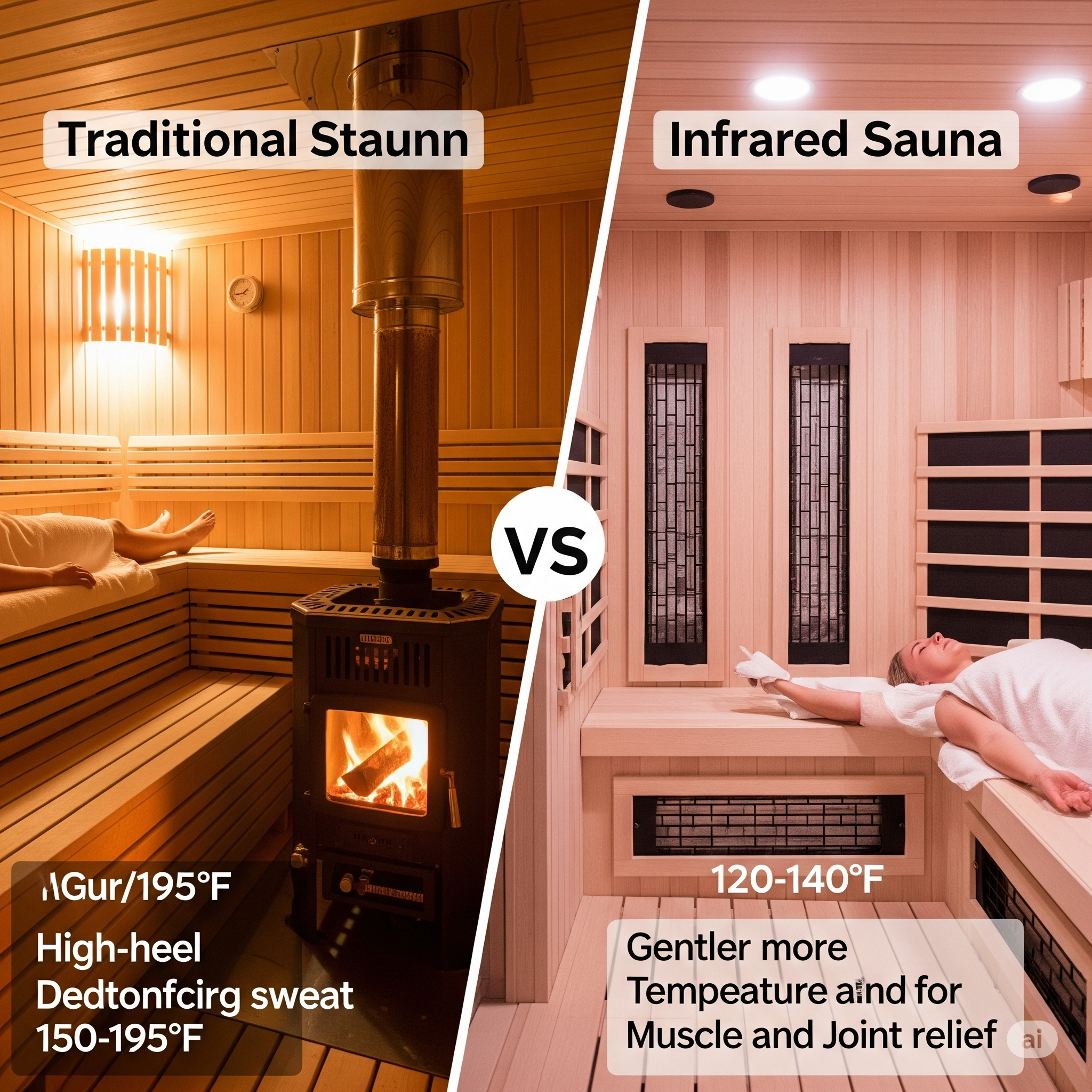
Contrast therapy — alternating between moderate heat (sauna) and moderate cold (plunge at 50–60°F) — provides many of the same circulatory, neurological, and metabolic benefits as aggressive cold plunging, but with meaningfully less cardiovascular strain. The sauna phase pre-warms the cardiovascular system and primes the body for the thermal transition, making the cold shock response less severe. For beginners or those with any cardiovascular concerns, starting with contrast therapy rather than standalone aggressive cold plunges is a significantly safer entry point.
Frequently Asked Questions
What are the immediate risks of cold plunge therapy?
The most immediate risk is the cold shock response, which occurs within the first 30 seconds to 3 minutes of cold water immersion. It causes involuntary gasping, hyperventilation, and sudden spikes in heart rate and blood pressure. If your face is near the water surface during gasping, there is a genuine drowning risk. A simultaneous spike of 40–60 mmHg in systolic blood pressure puts significant strain on arterial walls and can trigger arrhythmias even in otherwise healthy individuals.
Who should avoid cold plunging entirely?
Individuals with cardiovascular conditions (coronary artery disease, arrhythmias, heart failure, prior heart attacks), uncontrolled hypertension, pregnancy, Raynaud's disease, seizure disorders, or diabetes with peripheral neuropathy should not cold plunge without explicit physician clearance. For some of these conditions, cold plunging is generally contraindicated regardless of supervision. When in doubt, consult your doctor before your first session — not after your first problem.
Can cold water immersion be fatal?
Yes — fatalities from cold water immersion occur through three primary mechanisms: cold shock drowning (involuntary gasping causes water inhalation), hypothermia from extended exposure, and sudden cardiac arrest triggered by the cardiovascular stress of cold shock. These are not theoretical risks. They are documented outcomes, which is why medical clearance, the buddy system, proper temperature, and controlled duration are not optional safety measures — they are mandatory ones.
What is the safest temperature for a cold plunge?
The therapeutic sweet spot that balances meaningful benefits with manageable risk is 50–59°F (10–15°C). Water below 50°F carries significantly higher cardiovascular stress and hypothermia risk without proportional therapeutic benefit. Beginners should start at 58–62°F and work downward by 2–3 degrees per week as tolerance develops. Water approaching freezing adds frostbite risk and dramatically compresses the safe immersion window to seconds rather than minutes.
Is there a difference between ice baths and purpose-built cold plunges?
Yes — and the safety difference is significant. Improvised ice baths have fluctuating, often uncontrolled temperatures that can drop dangerously low as ice melts unevenly. They have no filtration, meaning water quality degrades rapidly with use. Purpose-built cold plunge systems from Collective Relaxation maintain precise temperature control (typically within 1–2 degrees of target), continuous filtration to maintain water safety, and in premium models, UV purification that keeps water clinically clean for months. The investment in a purpose-built system is partly a safety investment, not just a comfort upgrade.
How do I manage the cold shock response as a beginner?
The most effective technique for managing the cold shock response is controlled breathing — specifically a slow 4-count inhale through the nose followed by a 4-count exhale through the mouth. This breathing pattern recruits the prefrontal cortex to regulate the panic response and prevents hyperventilation. Enter the water feet-first at a slow, controlled pace rather than jumping or diving in. Start at warmer temperatures (58–62°F) where the shock response is less severe, and build down gradually. The cold shock response becomes significantly more manageable within 3–5 sessions as your nervous system adapts.
What should I do if I feel unwell during a cold plunge?
Exit immediately — do not try to push through. The warning signs that require immediate exit are: chest pain or pressure, irregular heartbeat or palpitations, inability to control breathing after the first 30–60 seconds, sudden extreme dizziness or confusion, numbness beyond normal cold sensation, or any feeling that something is wrong. After exiting, warm up gradually with blankets and warm (not hot) beverages. If chest pain, irregular heartbeat, or confusion persists after exiting and warming up, seek emergency medical attention.
Practice Cold Therapy Safely at Home
Purpose-built cold plunge systems with precise temperature control and UV filtration eliminate the most common risks of improvised ice bath setups. Contact us before ordering — we'll help you choose the right system for your goals and experience level.
📞 929-493-4366 | 📧 Jerry@CollectiveRelaxation.com | Mon–Fri 9am–5pm EST
Written by Jerry Vaiana — About Jerry


Leave a comment
This site is protected by hCaptcha and the hCaptcha Privacy Policy and Terms of Service apply.